
Introduction
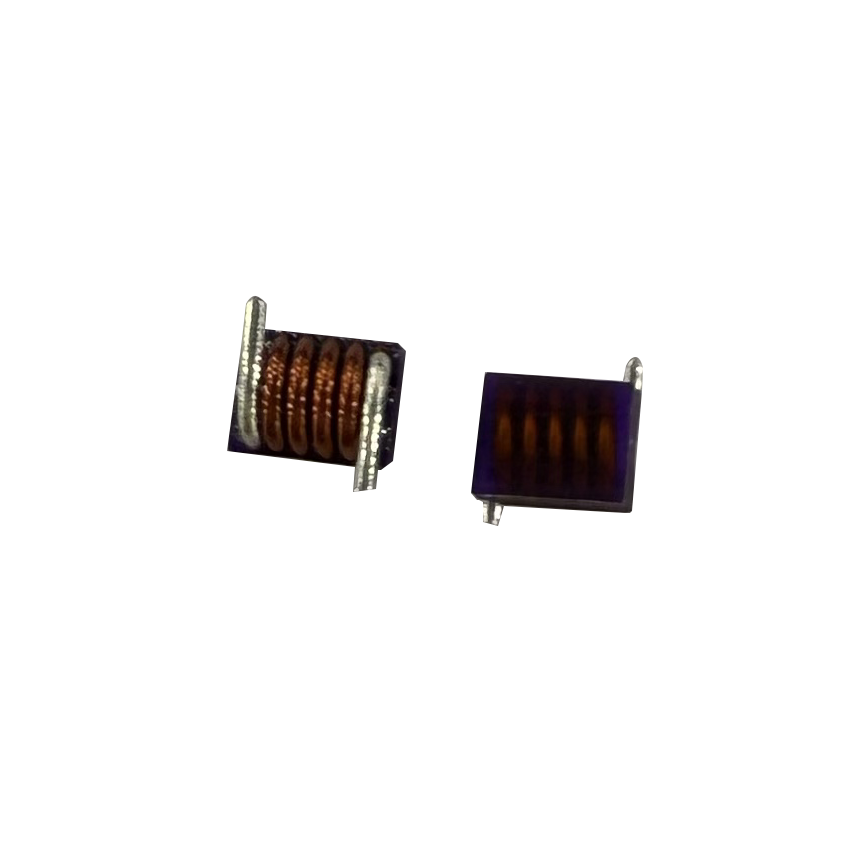
In modern electronics, the demand for compact, efficient, and high - performance components continues to grow. SMD (Surface - Mount Device) square air coil inductors have emerged as crucial elements in meeting these requirements. These inductors combine the benefits of surface - mount technology with the advantages of air coil design, offering high performance in a small form factor. This article explores the characteristics, benefits, and applications of SMD square air coil inductors, while also addressing common challenges and providing solutions for their effective use in electronic circuits.
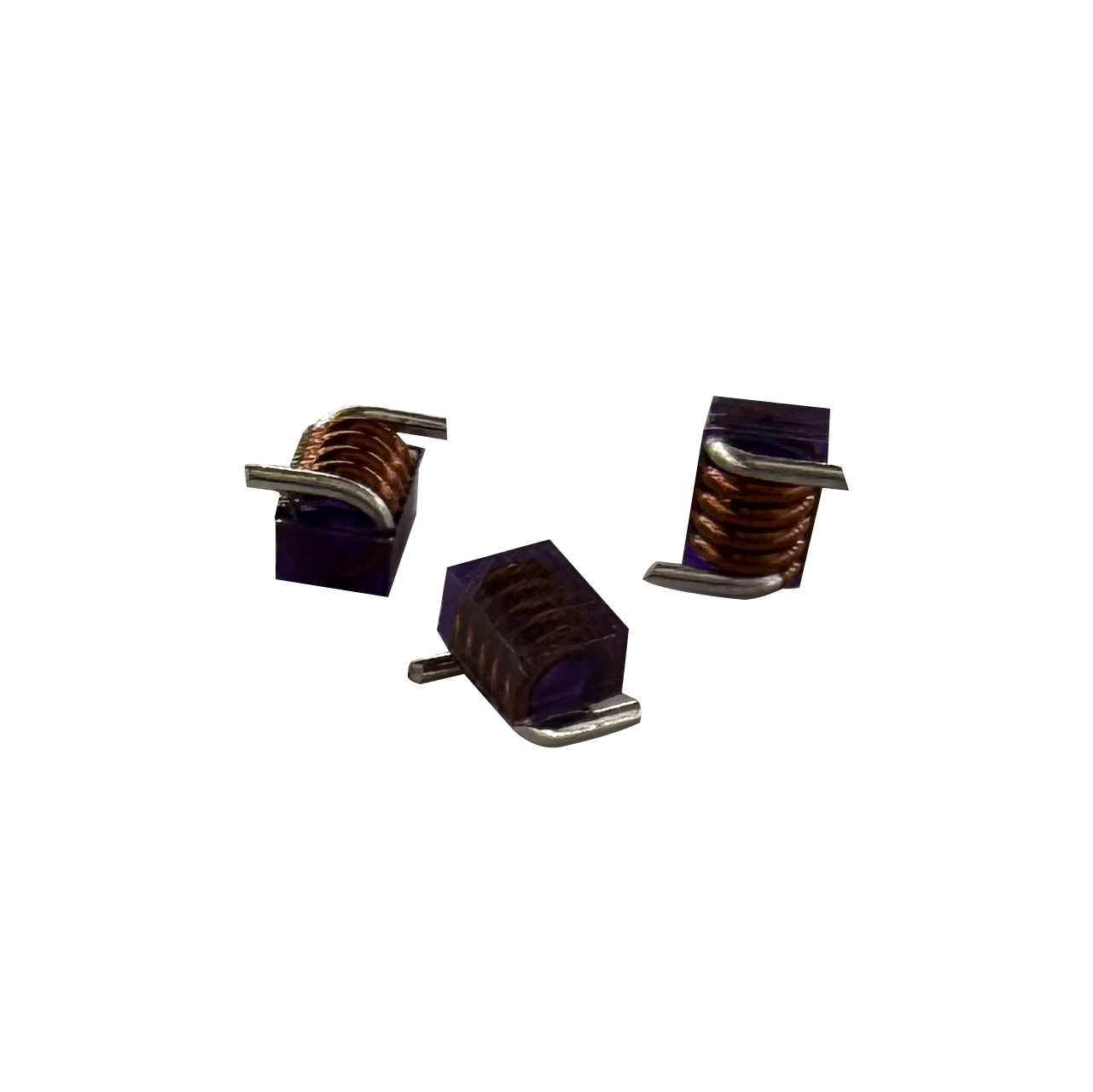
Table of Contents
Characteristics of SMD Square Air Coil Inductors
SMD square air coil inductors are designed to provide excellent performance in a compact package. Here are some key characteristics of these inductors:
| Characteristic | Description | Typical Values |
|---|---|---|
| Inductance Range | Typical inductance values available | 0.1µH to 100µH |
| Current Rating | Maximum current the inductor can handle | 0.1A to 5A |
| Quality Factor (Q) | Measure of the inductor's efficiency | 20 to 200 |
| Self - Resonant Frequency | Frequency at which the inductor resonates | 1MHz to 1GHz |
| Size | Physical dimensions of the inductor | 0.5mm x 0.5mm to 5mm x 5mm |
| Temperature Coefficient | Change in inductance with temperature | ±20ppm/°C to ±100ppm/°C |
Benefits of SMD Square Air Coil Inductors
SMD square air coil inductors offer several advantages that make them ideal for modern electronic applications:
Compact size, suitable for miniaturized electronic devices
High - efficiency operation due to low resistive losses
Excellent high - frequency performance
Good thermal stability
Easy integration with surface - mount technology
High - reliability in various operating conditions
Common Challenges in Using SMD Square Air Coil Inductors
Despite their advantages, designers may encounter challenges when using SMD square air coil inductors:
Achieving sufficient inductance in very small packages
Managing the trade - off between size and current rating
Ensuring stability across a wide temperature range
Minimizing parasitic capacitance and resistance
Addressing potential for interference between closely spaced components
One significant challenge is achieving adequate inductance values while maintaining a small physical size. For example, in high - frequency power supply circuits, designers often need inductors with specific inductance values that may not be readily available in the smallest package sizes.
Solutions for Optimizing Performance
To overcome these challenges and optimize the performance of SMD square air coil inductors:
Select inductors with optimized core materials for higher inductance in smaller sizes
Use multi - layer coil designs to increase inductance without increasing size
Choose inductors with low temperature coefficients for better thermal stability
Implement proper PCB layout techniques to minimize parasitic effects
Use shielding techniques to reduce interference between components
For instance, in a high - frequency power supply application requiring an inductance of 4.7µH with a current rating of 1A in a package no larger than 3mm x 3mm, selecting a multi - layer SMD square air coil inductor with an optimized core material can provide the required performance while maintaining compact size.
Case Study: High - Frequency Circuit Application
Consider a high - frequency filter circuit used in a communication device. The performance of this circuit depends on the quality of the inductors used. Here's how SMD square air coil inductors can improve the circuit's performance:
| Parameter | Without Optimized Inductor | With SMD Square Air Coil Inductor |
|---|---|---|
| Filter Efficiency | 65% | 82% |
| Signal Distortion | 3.5% | 1.2% |
| Size Reduction | Standard | 40% smaller |
| Thermal Stability | ±8°C | ±3°C |
| Component Cost | $0.45 | $0.55 |
In this case study, replacing conventional inductors with SMD square air coil inductors resulted in significant improvements in filter efficiency and signal distortion, while also reducing the overall size of the circuit. The slight increase in component cost was offset by the improved performance and reliability of the final product.
Selection Guide for SMD Square Air Coil Inductors
When selecting SMD square air coil inductors for your application, consider the following factors:
Required inductance value and tolerance
Maximum current the inductor will handle
Operating frequency range
Size constraints and package type
Thermal requirements and temperature coefficient
Quality factor (Q) and self - resonant frequency
For example, if your application requires an inductor with an inductance of 10µH, a current rating of 2A, and operation up to 500MHz, select an SMD square air coil inductor with an inductance tolerance of ±5%, a quality factor of at least 100, and a self - resonant frequency above 500MHz. This ensures optimal performance and reliability in your circuit.
Conclusion
SMD square air coil inductors represent a significant advancement in electronic component technology, offering high performance in a compact form factor. By understanding their characteristics and benefits, and by addressing common challenges through thoughtful selection and design, engineers can leverage these inductors to enhance the performance of modern electronic devices. As demonstrated in our case study, the strategic use of SMD square air coil inductors can lead to more efficient, smaller, and more reliable electronic circuits.