
Introduction
In the field of electronics, the power supply is crucial for the proper functioning of devices. High - Performance SMD (Surface Mount Device) Air Coil Inductors have become essential in power supply applications due to their excellent characteristics and benefits. These inductors offer high efficiency, low losses, and reliable performance, making them ideal for various power supply circuits. This article explores the importance of high - performance SMD air coil inductors in power supply applications, their characteristics, benefits, and how they can solve common problems in power supply design.
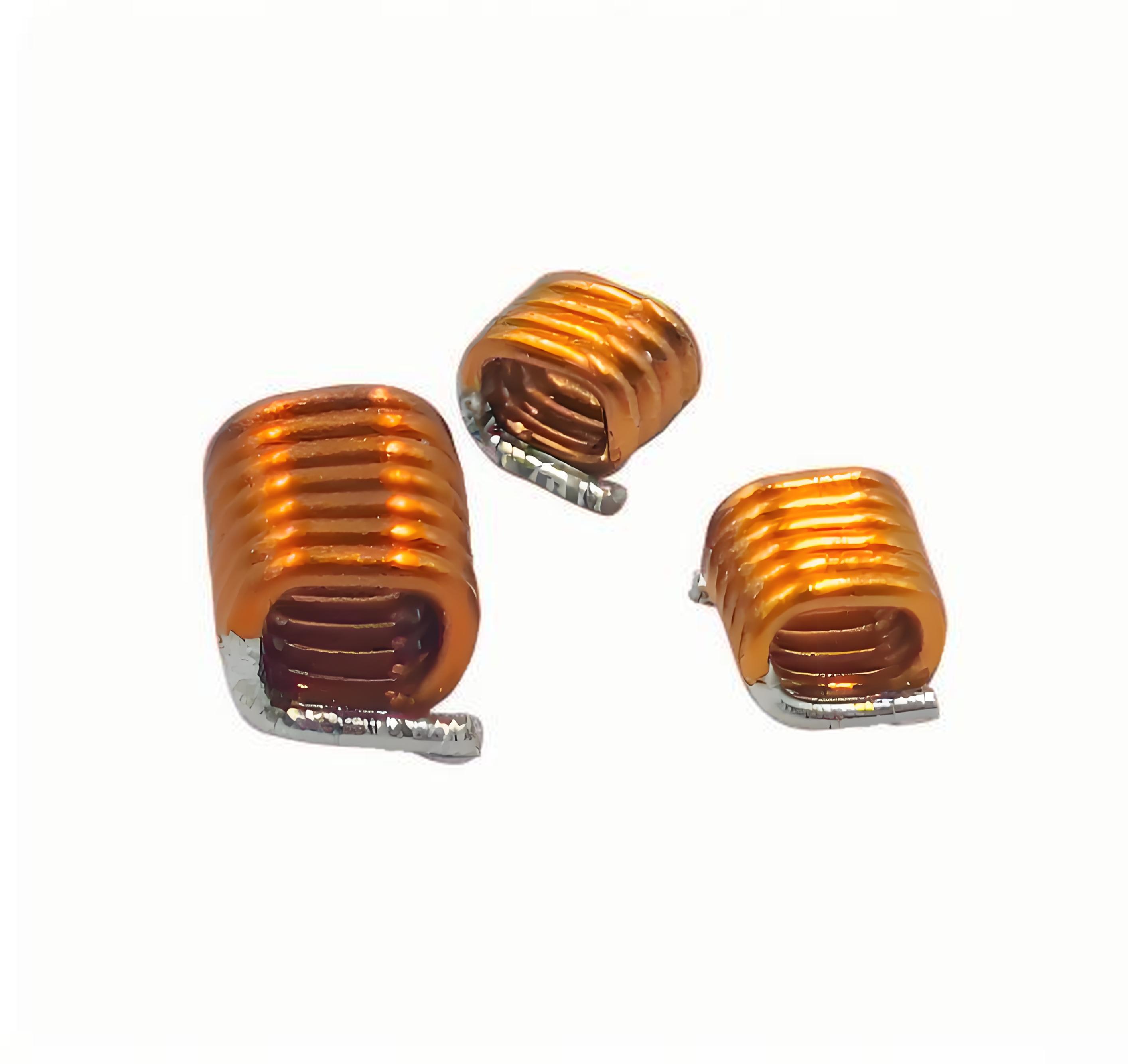
Table of Contents
Characteristics of High - Performance SMD Air Coil Inductors
High - Performance SMD Air Coil Inductors possess several key characteristics that make them suitable for power supply applications:
| Characteristic | Description | Typical Values |
|---|---|---|
| Inductance Range | Typical inductance values available | 0.1µH to 100µH |
| Current Rating | Maximum current the inductor can handle | 0.1A to 10A |
| Quality Factor (Q) | Measure of the inductor's efficiency | 50 to 200 |
| Self - Resonant Frequency | Frequency at which the inductor resonates | 1MHz to 1GHz |
| Size | Compact physical dimensions | 0.5mm x 0.5mm to 5mm x 5mm |
| Temperature Coefficient | Change in inductance with temperature | ±20ppm/°C to ±100ppm/°C |
Benefits in Power Supply Applications
High - Performance SMD Air Coil Inductors provide several advantages in power supply applications:
High - efficiency operation due to low resistive losses
Excellent high - frequency performance
Good thermal stability
Compact size for space - constrained designs
Reliable operation under varying loads
Low electromagnetic interference
Common Problems in Power Supply Design
Power supply designers often encounter challenges that can affect the performance and reliability of their circuits:
Inadequate efficiency leading to power loss
Thermal management issues causing component overheating
Electromagnetic interference affecting nearby components
Size constraints limiting component selection
Voltage ripple and noise in the output
Unstable operation under varying load conditions
A significant problem in power supply design is voltage ripple and noise in the output. This can lead to unstable power delivery and affect the performance of connected components. For example, in a high - efficiency power supply for a sensitive microcontroller application, excessive voltage ripple can cause system instability and data corruption.
Solutions with High - Performance SMD Air Coil Inductors
To address these challenges and improve power supply performance:
Select inductors with high quality factors (Q) for minimal losses
Choose components with appropriate inductance values to reduce voltage ripple
Implement proper thermal management techniques
Use shielded inductors to minimize electromagnetic interference
Select compact inductors to optimize space utilization
Utilize inductors with stable performance across varying loads
For instance, in the high - efficiency power supply example, using a high - performance SMD air coil inductor with a quality factor (Q) of 100 and an inductance of 10µH can significantly reduce voltage ripple and improve overall efficiency. Additionally, selecting a shielded inductor can minimize interference with nearby sensitive components like microcontrollers and communication interfaces.
Case Study: High - Efficiency Power Supply
Consider a high - efficiency power supply used in a digital signal processor (DSP) application. The performance of the power supply depends on the quality of the inductor used. Here's how high - performance SMD air coil inductors can improve the power supply's performance:
| Parameter | Without Optimized Inductor | With High - Performance SMD Air Coil Inductor |
|---|---|---|
| Efficiency | 85% | 92% |
| Voltage Ripple | 120mV | 30mV |
| Temperature Rise | 40°C | 25°C |
| Component Size | 6mm x 6mm | 4mm x 4mm |
| EMI Interference | Moderate | Minimal |
| Component Cost | $0.75 | $0.95 |
In this case study, replacing the conventional inductor with a high - performance SMD air coil inductor resulted in a significant improvement in efficiency and a reduction in voltage ripple. The smaller size allowed for a more compact power supply design, while the shielded version minimized electromagnetic interference. The slight increase in component cost was justified by the overall performance benefits and reliability improvements.
Selection Guide for SMD Air Coil Inductors
When selecting high - performance SMD air coil inductors for your power supply application, consider the following factors:
Required inductance value and tolerance
Maximum current rating needed
Operating frequency range
Size constraints and package type
Shielding requirements
Quality factor (Q) and self - resonant frequency
For example, if your power supply application requires an inductor with an inductance of 4.7µH, a current rating of 2A, and operation up to 2MHz, select a high - performance SMD air coil inductor with a quality factor (Q) of at least 80, a tolerance of ±5%, and a self - resonant frequency above 2MHz. This ensures optimal performance and reliability in your power supply circuit.
Conclusion
High - Performance SMD Air Coil Inductors are vital for enhancing the efficiency and reliability of power supply applications. By understanding their characteristics and benefits, and by addressing common challenges through thoughtful selection and design, engineers can significantly improve the performance of power supply systems. As demonstrated in our case study, the strategic use of these inductors can lead to more efficient, compact, and reliable power supply solutions.