
High Current Shielded SMD Inductors: Powering Efficient Electronics with Enhanced Performance
In modern electronics, the demand for efficient power management and compact designs has led to the widespread adoption of high current shielded SMD (Surface - Mount Device) inductors. These components play a crucial role in various applications, from power supplies to automotive electronics. This article explores the design, manufacturing, performance characteristics, and applications of high current shielded SMD inductors, providing valuable insights for engineers and designers.
Table of Contents
Design and Construction of High Current Shielded SMD Inductors
Best Practices for Using High Current Shielded SMD Inductors
Introduction
High current shielded SMD inductors are essential components in modern electronic devices, enabling efficient power delivery and minimizing electromagnetic interference (EMI). These inductors are designed to handle high currents while maintaining low electrical noise, making them ideal for use in power converters, DC - DC regulators, and other power - management applications.
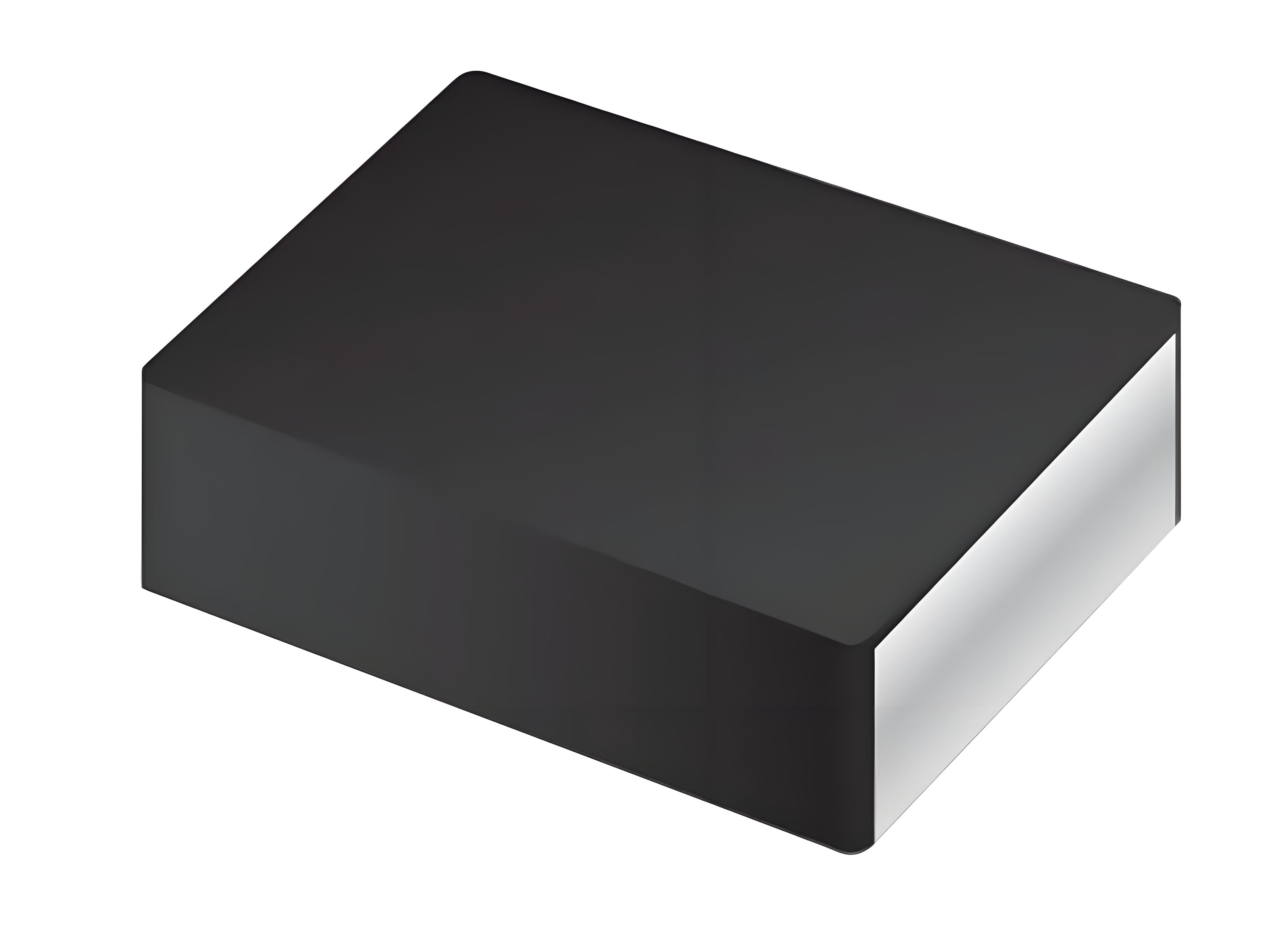
Design and Construction of High Current Shielded SMD Inductors
The design of high current shielded SMD inductors focuses on maximizing current handling capability while minimizing EMI. The core of the inductor is typically made from ferrite or powdered iron materials, which provide high permeability and low core losses. The wire used for the winding is usually made of copper, offering low resistance to minimize power losses.
Shielding
The shielding in these inductors is achieved by enclosing the winding in a magnetic shield, typically made of ferrite material. This shield helps to contain the magnetic field within the inductor, reducing EMI and improving the overall efficiency of the circuit.
Structure
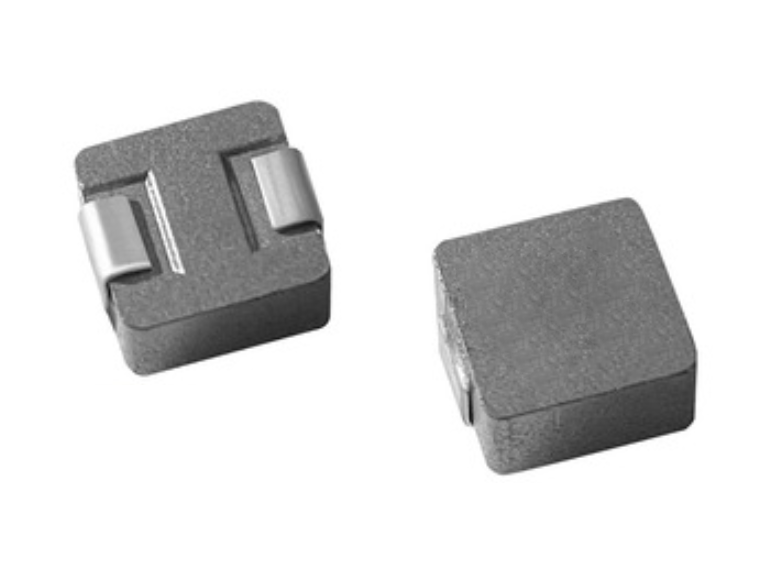
High current shielded SMD inductors have a compact, flat structure that allows for efficient use of board space. The inductor is mounted directly onto the PCB (Printed Circuit Board), with terminals for electrical connections.
Manufacturing Process
The manufacturing process of high current shielded SMD inductors involves several precise steps to ensure high - quality performance.
Winding
The copper wire is wound around the core using automated machinery. The winding process must be precise to ensure consistent inductance and current - carrying capacity.
Shielding Application
The magnetic shield is applied over the winding, often using a secondary winding or a pre - formed shield. This step is critical for containing the magnetic field and reducing EMI.
Testing
Each inductor undergoes rigorous testing to ensure it meets the specified inductance, current rating, and shielding effectiveness. This includes testing for DC resistance, inductance value, and EMI performance.
Performance Characteristics
High current shielded SMD inductors offer several key performance characteristics that make them suitable for a wide range of applications.
| Parameter | High Current Shielded SMD Inductor |
|---|---|
| Inductance Range | 0.1 µH - 100 µH |
| Current Rating | 0.5 A - 50 A |
| Shielding Effectiveness | Reduces EMI by 90% - 99% |
| Operating Temperature Range | -55°C to +125°C |
| DC Resistance | 0.01 Ω - 1 Ω |
| Size | Compact, typically 3 - 12 mm in length |
Applications
High current shielded SMD inductors are used in a variety of applications due to their efficiency and compact size.
Power Supplies
In DC - DC converters and power supplies, these inductors help regulate voltage and current, ensuring stable power delivery to electronic components.
Automotive Electronics
In automotive systems, they are used in engine control units, infotainment systems, and advanced driver - assistance systems (ADAS) for reliable power management.
Industrial Automation
In industrial equipment, these inductors are used in motor drivers, power supplies, and control systems to handle high currents and provide efficient power conversion.
Problem and Solution
A common problem in high current applications is overheating of the inductor due to excessive power losses. This can lead to reduced efficiency and potential damage to the component and surrounding circuitry.
Solution: To address this issue, manufacturers design high current shielded SMD inductors with low - resistance copper windings and optimized core materials to minimize power losses. Additionally, proper thermal management techniques, such as heat sinking or improved airflow, can help dissipate heat and maintain the inductor's operating temperature within safe limits.
Best Practices for Using High Current Shielded SMD Inductors
Proper Soldering Techniques: Use proper soldering techniques to ensure reliable connections and avoid thermal stress on the inductor.
Thermal Management: Implement effective heat dissipation solutions, such as heat sinks or thermal vias, to prevent overheating.
EMI Considerations: Place the inductor away from sensitive components to minimize the impact of any residual EMI.
Current Limiting: Ensure that the inductor is operated within its specified current rating to prevent saturation and damage.
Conclusion
High current shielded SMD inductors are vital components in modern electronics, offering efficient power delivery and enhanced performance in a compact form factor. Their ability to handle high currents while minimizing EMI makes them indispensable in applications ranging from power supplies to automotive electronics. By following best practices in their selection and use, engineers can leverage the benefits of these inductors to design more efficient and reliable electronic systems.