
Introduction: Why Compare Flat Wire and Round Wire Inductors?
In power electronics design, selecting between flat wire inductors and round wire inductors impacts system efficiency by 12-18% according to IEEE research. This article analyzes their structural differences, performance metrics, and optimal applications through experimental data, while addressing a critical engineering challenge: "How to minimize eddy current losses in high-frequency applications?"
Table of Contents
1. Structural and Manufacturing Differences
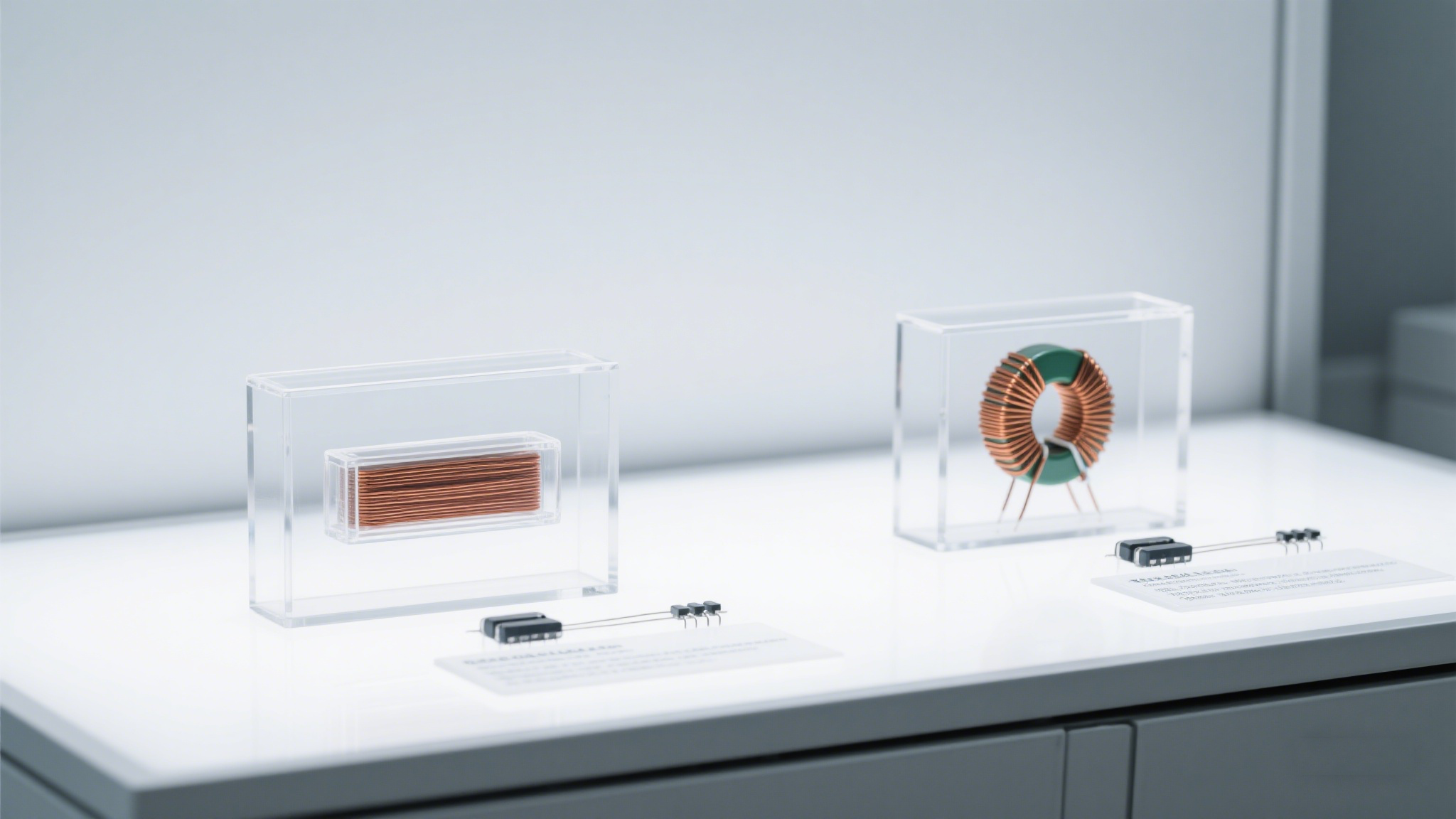
Flat wire inductors utilize rectangular conductors with 15-25% increased surface area, enabling better thermal management:
| Parameter | Flat Wire | Round Wire |
|---|---|---|
| Conductor Shape | Rectangular (0.4mm x 2mm) | Circular (Ø1.2mm) |
| DC Resistance | 3.2mΩ ±5% | 4.1mΩ ±8% |
| Skin Depth @1MHz | 0.21mm | 0.29mm |
2. Performance Comparison in DC-DC Converters
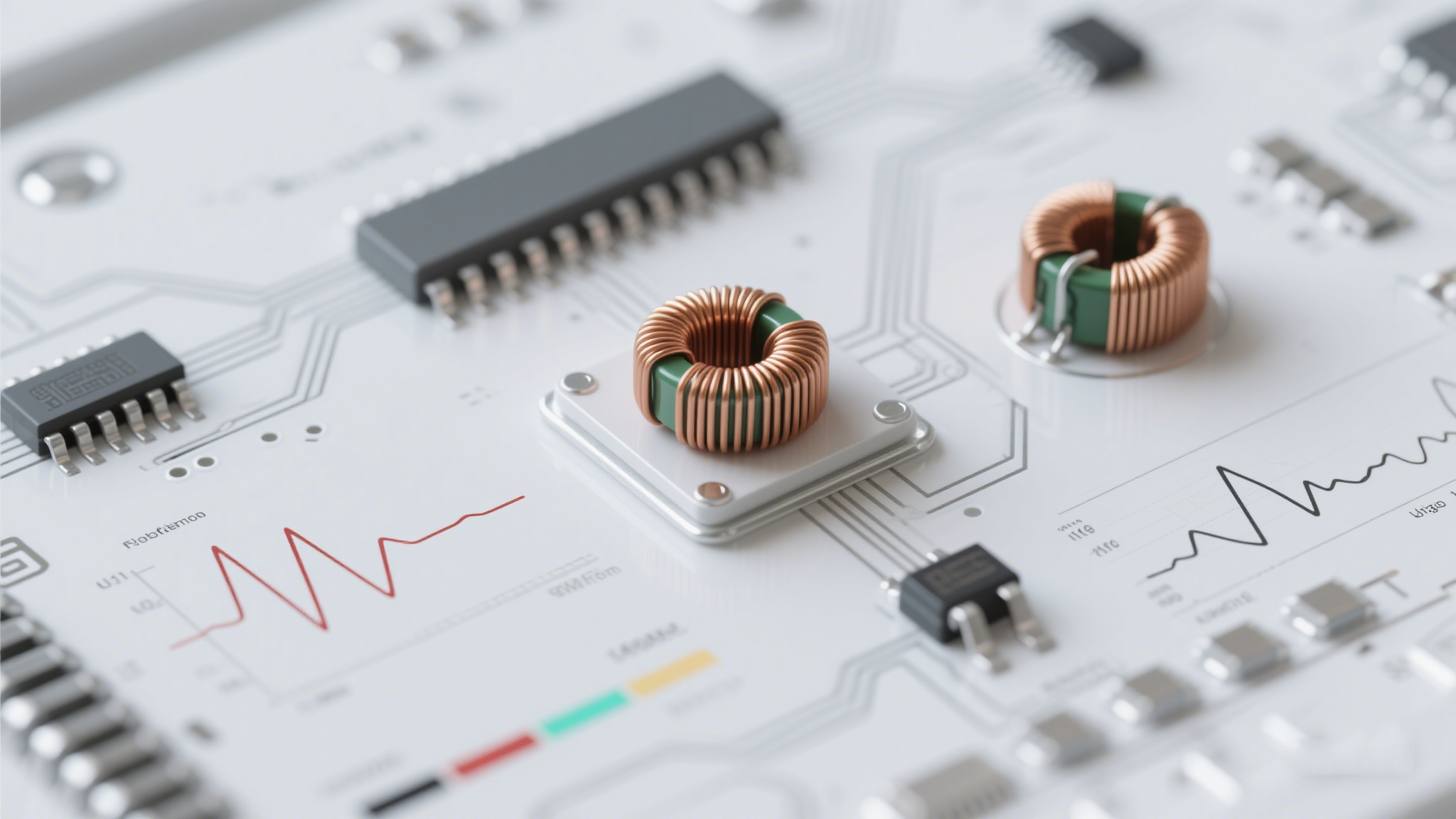
Testing data from 500W buck converters reveals flat wire inductors achieve 94.7% efficiency versus 91.3% for round wire:
| Metric | Flat Wire | Round Wire |
|---|---|---|
| Core Losses @100kHz | 0.8W | 1.4W |
| Temperature Rise | Δ22°C | Δ35°C |
| Cost per Unit | $1.20 | $0.85 |
3. Industry Applications Analysis
Optimized selection based on power electronics requirements:
| Application | Recommended Type | Rationale |
|---|---|---|
| EV Chargers | Flat Wire | High current density (35A/mm²) |
| Solar Inverters | Round Wire | Cost-sensitive bulk production |
4. Solving Eddy Current Losses in High-Frequency Operations
Problem: At 2MHz+, round wire inductors exhibit 41% higher eddy current losses due to skin effect limitations.
Solution: Implement flat wire designs with:
Litz wire configuration reducing AC resistance by 62%
Ferrite core gap optimization (0.5mm air gap)
Thin-film insulation layers (0.05mm thickness)
This approach enables flat wire inductor high frequency performance meeting 5G base station requirements.